WHY IT MATTERS
Because Hunger
Changes Everything
Nearly 430,000 people in San Diego County don’t have reliable access to food. The effects of food insecurity reach far beyond missed meals.
Someone who is food insecure does not consistently have enough food to lead a healthy life. When families can’t put food on the table, children fall behind in school, parents are forced to choose between rent and groceries, and chronic disease takes root across entire communities.
By breaking the cycle of food insecurity, we can help our community thrive.
THE EVIDENCE
Hunger Hits Hardest Where You’d Least Expect
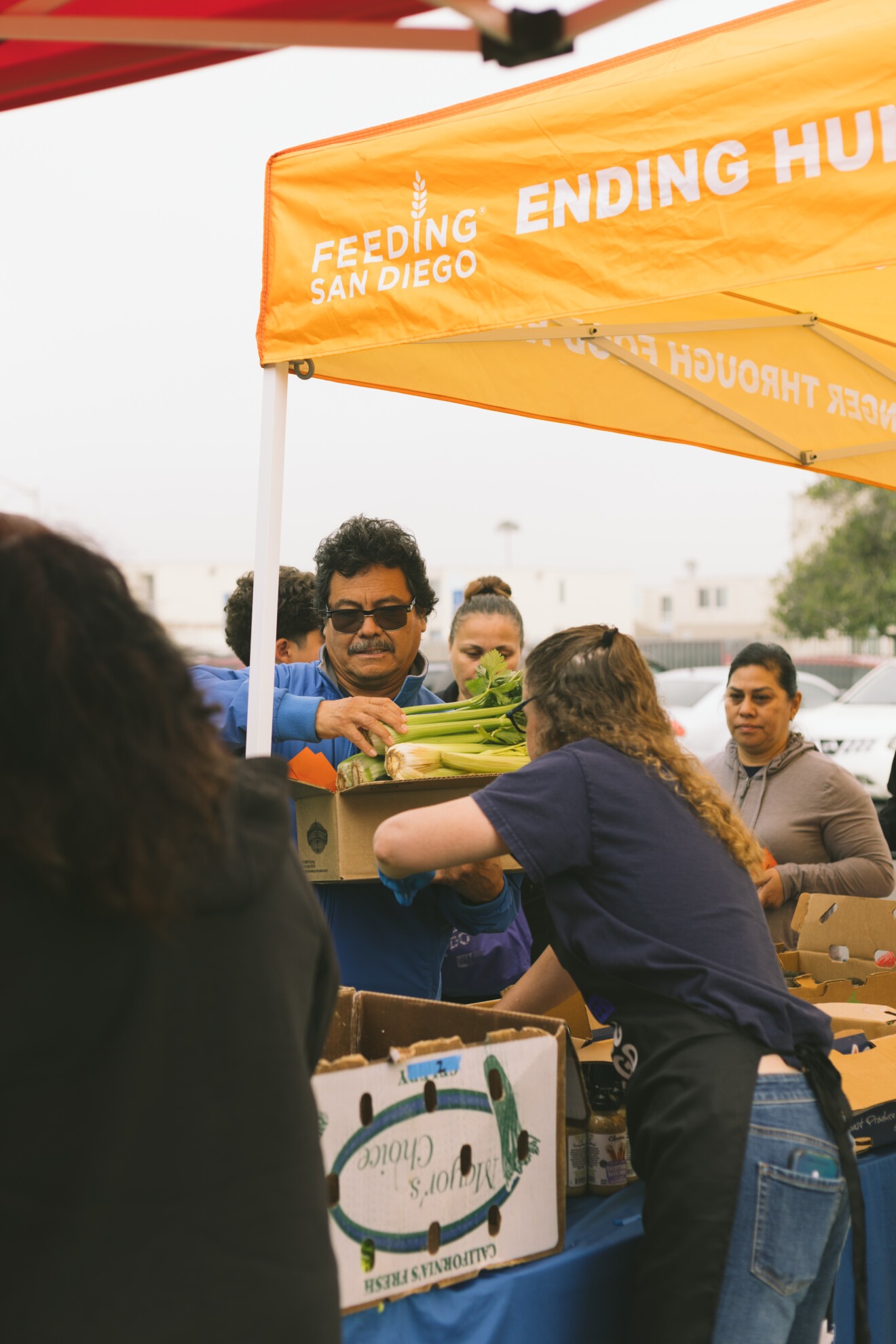
Food insecurity in San Diego affects children in classrooms, military families in base housing, and seniors in every zip code.



The donors are helping me attain a career, so I can eventually not need the services and maybe even give back the way they have.
“I’m a full-time college student. I have two kids, and my wife is pregnant. So, I come to the food pantry so we can get by, and it helps us a lot. I’m working at the Temecula Valley Hospital as a CNA and going to school for nursing. We’ve definitely felt the prices go up. Honestly, if I was just working a full-time job, I don’t even know how I would be able to afford groceries and rent in Southern California. I would just like to say thank you. There are people who need it, and it’s helping families get by and keeping people from being hungry. Luckily, with all the resources, with the help of the donors and the resources we have in California for people of low income, it’s allowed me to be able to go to school. The donors are helping me attain a career, so I can eventually not need the services and maybe even give back the way they have.”
— Alan, a nursing student who relies of Feeding San Diego’s partner, Fallbrook Food Pantry
THE VICIOUS CYCLE
Hunger Feeds on Itself
Food insecurity doesn’t exist in isolation. It triggers a cascade of health, economic, and social consequences that pull families deeper into crisis.
BREAKING THE CYCLE
How Feeding San Diego Is Working to End Hunger and the Effects of Food Insecurity
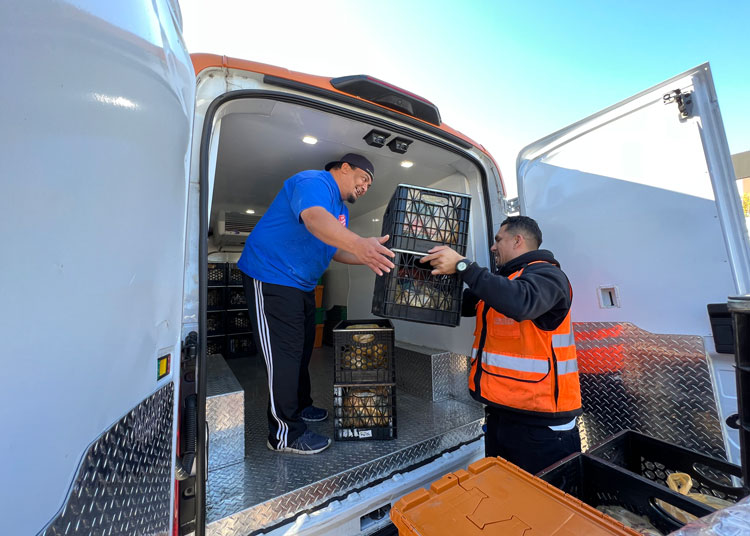
Because of the generosity of this community, Feeding San Diego provides more than 31 million meals a year to people facing hunger and reduces the effects of food insecurity in San Diego County.
Our unique model at Feeding San Diego means we do more than just provide healthy food.
We also rescue edible, high-quality food that would otherwise go into a landfill. In addition, we partner with local organizations to keep fresh foods in the community and quickly redistribute them to those in need.
Help Families Facing Hunger
Help Families Facing Hunger